Source FPV Battery for Racing, Cinematic, and Inspection Drones
Explore 30 FPV battery options from Guangdong suppliers with capacities ranging from 6000mAh to 9000mAh. Buyers can compare discharge rates, cycle life, and voltage specifications to find the right power solution for their drone applications; compare the available evidence and request quotations based on your requirements.
Key considerations
Products List
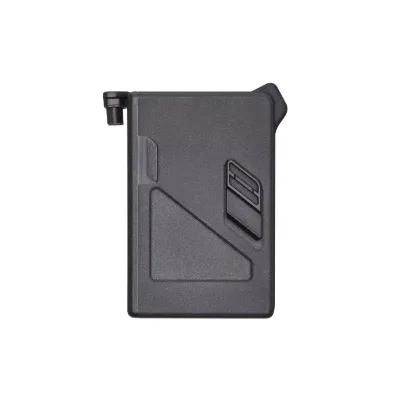


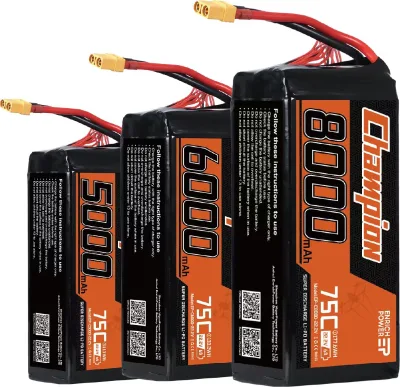

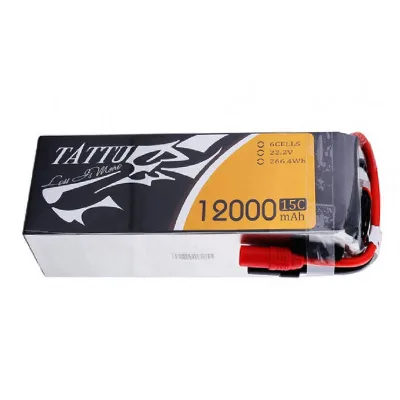


Comprehensive Sourcing Guide
FPV Battery Sourcing Guide
Procuring FPV batteries requires distinguishing between specific chemistries like LFP and NMC811, as the supplied data indicates a mix of materials affecting performance and safety profiles. Buyers must verify whether the listed capacity of 6000mAh, 8000mAh, or 9000mAh aligns with their specific drone models, particularly those compatible with DJI FPV systems. The observed listing signals suggest a wide variance in discharge rates, ranging from 5c to 100c, which directly dictates suitability for different flight dynamics and payload requirements.
Sourcing decisions should prioritize the physical dimensions and weight constraints, as products vary from compact 7021mm units to larger 205137*11mm packs weighing up to 2050g. The presence of private molds and customization options indicates that suppliers may offer tailored solutions, but buyers must confirm if these customizations impact the standard voltage of 3.7V or 3.95V per cell. Understanding these physical and electrical variances is essential before engaging with suppliers in Guangdong, China, to ensure the selected battery integrates seamlessly with existing flight controllers and frames.
Product Scope and Observed Listing Signals
The market for FPV batteries currently displays a broad spectrum of specifications, including prismatic LiPo packs and various lithium-ion configurations with capacities ranging from 6000mAh to 9000mAh. Listings frequently highlight compatibility with major brands like DJI, yet the specific model numbers such as Ss-22000 or Slp8000 suggest distinct internal architectures that may not be universally interchangeable. Buyers should scrutinize the selling units, which are typically single items, to avoid confusion regarding bulk packaging or multi-cell configurations that might be implied by the capacity figures alone.
Observed listing signals also reveal significant differences in discharge capabilities, with some products rated for high-performance 100c bursts while others are optimized for lower 5c-10c continuous loads. This variance necessitates a careful review of the product type, whether labeled as a drone battery or a general Li-ion pack, to ensure it meets the specific power delivery needs of the intended application. The presence of standard packaging like cartons and the availability of customization suggest that suppliers are prepared for varied order volumes, but the exact lead times and minimum order quantities remain critical variables to confirm during the initial inquiry phase.
Technical Specifications to Verify
Buyers must rigorously verify the nominal voltage and cell chemistry, as the data shows a mix of single-cell voltages at 3.7V and 3.95V, alongside cathode materials like NCM and LFP. These technical parameters directly influence the energy density and thermal stability of the battery, making it imperative to match the specific voltage requirements of the drone's power distribution system. The cycle life is another critical metric, with observed ranges between 800 and 1000 cycles, which will determine the long-term operational cost and replacement frequency for high-utilization fleets.
Dimensional constraints and weight are equally vital, as the observed sizes range from compact 7021mm profiles to larger 205137*11mm units weighing up to 2050g. Procurement teams should confirm the exact discharge rate, which varies from 5c to 100c, to ensure the battery can handle the peak current demands of aggressive FPV maneuvers without voltage sag. Additionally, the charging ratio of 1.5c max must be validated against available charging infrastructure to prevent overcharging risks and ensure the battery reaches full capacity within the desired timeframe.
Compliance and Safety Documentation
Safety documentation is paramount when sourcing batteries with high discharge rates and varying chemistries, particularly those utilizing NMC811 or LFP materials. Buyers should request detailed Material Safety Data Sheets (MSDS) and UN38.3 test reports to verify that the products meet international shipping standards for lithium batteries. The warranty period of 12 months mentioned in some listings provides a baseline for quality assurance, but it should be complemented by specific safety certifications that confirm the battery's resistance to thermal runaway and short-circuit conditions.
Compliance verification must also extend to the manufacturing standards, as the origin is listed as China, specifically Guangdong, a major hub for electronics production. While specific certification bodies are not explicitly named in the provided data, buyers should insist on proof of adherence to relevant safety protocols for lithium polymer and lithium-ion packs. Ensuring that the supplier can provide traceability for the cathode materials and cell components is essential for mitigating risks associated with substandard manufacturing practices that could compromise flight safety.
Cost Drivers and Commercial Terms
The cost of FPV batteries is heavily influenced by the capacity, ranging from 6000mAh to 9000mAh, and the specific cathode material used, such as NMC811 versus LFP. Higher discharge rates, like the observed 100c capability, typically command a premium due to the advanced cell engineering required to sustain such performance without degradation. Buyers should analyze the price range of 13 to 800 USD to understand the correlation between these technical specifications and the final unit cost, ensuring that the budget aligns with the required performance tier.
Commercial terms regarding Minimum Order Quantity (MOQ) and customization availability are also significant cost drivers, with observed MOQs ranging from 1 to 200 units. The availability of private molds and customization options allows for tailored solutions but may introduce additional tooling costs or longer lead times that affect the overall procurement budget. Buyers must negotiate clear terms regarding the selling units and packaging, as the standard carton packing may vary in cost depending on the order volume and the specific dimensions of the battery packs being shipped.
Supplier Qualification and Quality Control
Supplier qualification should focus on their ability to provide consistent quality control for batteries with varying cycle lives and discharge rates. Given the observed data indicating a cycle life of 800 to 1000 times, buyers must verify the supplier's testing protocols to ensure that every batch meets these longevity standards. The presence of customization options suggests that the supplier has flexible manufacturing capabilities, but this flexibility must be balanced with rigorous quality checks to prevent defects in custom-molded or specialized capacity units.
Quality control processes should include verification of the product origin and the specific model numbers to ensure consistency across orders. Buyers should request samples to test the actual weight, dimensions, and voltage stability against the listed specifications, such as the 2050g weight or 9000mAh capacity. Establishing a clear communication channel for reporting any discrepancies in the discharge rate or charging ratio is essential, as these parameters are critical for the safe operation of FPV drones and can vary significantly between different production batches.
Long-Term Procurement Checks
Long-term procurement strategies must account for the warranty terms and the expected cycle life of the batteries to ensure sustainable operations. With a warranty period of 12 months and a cycle life ranging from 800 to 1000 times, buyers should establish a replacement schedule that aligns with these metrics to maintain fleet reliability. Regular audits of the supplier's production capabilities are necessary to ensure that the quality of the LFP or NMC811 cells remains consistent over time, preventing performance degradation that could lead to unexpected flight failures.
Buyers should also monitor the market for changes in material costs and supply chain stability, as the origin in Guangdong, China, is subject to regional logistics and regulatory shifts. Maintaining a relationship with suppliers who offer customization and private molds can provide a competitive advantage, but it requires ongoing verification of their ability to meet evolving technical standards. Continuous performance tracking of the batteries in actual flight conditions will provide valuable data to refine future procurement decisions and ensure that the selected products continue to meet the demanding requirements of FPV applications.
FAQs
What capacities are available for fpv battery packs on this page?
Listed fpv battery options include capacities of 6000mAh, 8000mAh, 8400mAh, and 9000mAh, covering both Li-ion and LiPo pack types. Larger capacities generally suit long-flight drones and heavier UAV platforms, while smaller packs favor agility. Always match the capacity and weight, such as the 2050g 6S pack, to your drone's payload and power requirements before ordering.
Which cathode materials are used in these fpv battery products?
The listed packs use LFP and NCM cathode materials, including NMC811 chemistry for some 9000mAh Li-ion packs. LFP offers longer cycle life and thermal stability, while NCM chemistries deliver higher energy density for performance flying. Confirm the chemistry on each model, because discharge behavior and charging ratios differ between LFP and NCM-based fpv battery packs.
Can these fpv battery packs be customized for my drone brand?
Yes, customization is available, and the products carry a private mold attribute with carton packaging for single-item sales. Compatible models listed include DJI FPV, and applications cover various drones and UAVs. Contact the supplier with your required capacity, voltage, dimensions, and discharge rate so they can confirm feasibility, tooling needs, and any minimum order quantity.
What is the cycle life of a typical fpv battery listed here?
Cycle life figures listed range from 800 cycles up to 800-1000 cycles depending on the model and chemistry. Real-world longevity depends on charge rate, storage voltage, and discharge depth during flights. Charging within the stated limits, such as the 1.5C maximum charging ratio on certain packs, and avoiding full-depth discharges helps you reach the upper end of the stated range.
What discharge rates do these fpv battery packs support?
Discharge rates on the listed products vary widely, from 5C-10C on some packs up to 60C and 100C on high-performance models. Racing and aggressive freestyle flying typically needs the higher discharge ratings, while endurance platforms can use lower-rate packs. Verify the continuous discharge rating against your drone's maximum current draw to prevent voltage sag or overheating.
How should I store an fpv battery between flying sessions?
Store the pack at roughly the nominal single-cell voltage listed, such as 3.7V or 3.95V per cell depending on chemistry, in a cool, dry place away from flammable materials. Avoid leaving packs fully charged for extended periods, as this accelerates capacity loss. Use a LiPo-safe container, check voltage monthly, and follow the 12-month warranty conditions listed.
What voltages do the listed fpv battery packs operate at?
Listed packs use nominal single-cell voltages of 3.7V or 3.95V, and one LiPo model specifies a total pack voltage of 22.2V, which corresponds to a 6S configuration. Higher cell counts deliver more power for larger drones but require compatible chargers and ESCs. Always confirm cell count and voltage compatibility with your flight controller and charging equipment before purchase.
How are these fpv battery products packed and shipped?
Products are packed in cartons and sold as single items, with some models referencing standard dimensions such as 70*21mm or 205*137*11mm. Pack weights vary, including a listed 2050g figure for a 6S configuration. Because lithium batteries are regulated for transport, confirm the supplier's shipping methods, documentation, and any quantity restrictions for your destination before placing an order.